Live in One Side, Rent the Other
A double block is a two-family house split down the middle, with a home on each side under one roof. A first-time buyer can live in one side and rent the other, so the rent helps cover the mortgage. Pennsylvania’s PHFA Keystone Home Loan and Keystone Government Loan both allow two-unit homes you live in, as of November 2026.
This page is for people who want to live in their double block. If you’re buying purely as an investment, the numbers and the loans are different, and we should talk about that separately.
What a Double Block Is
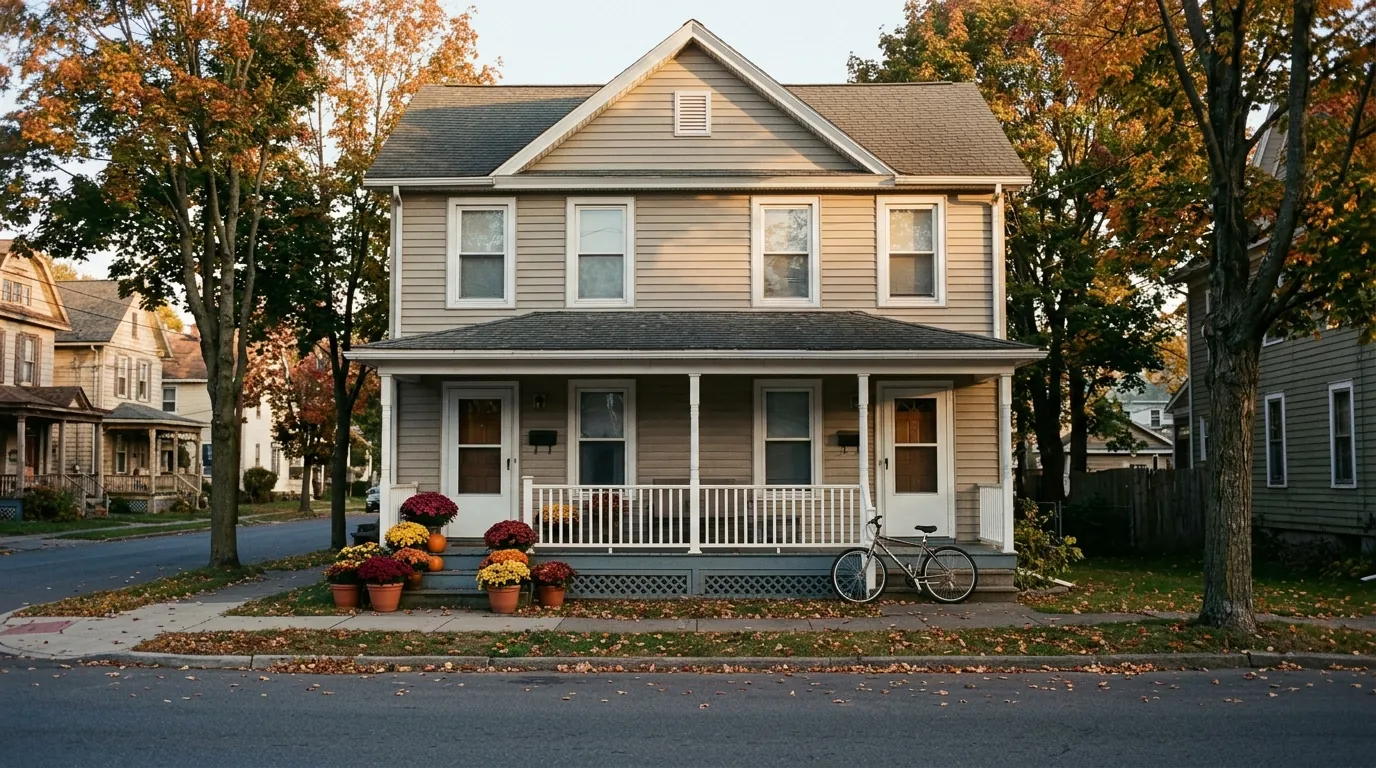
Around here, “double block” means two homes side by side, sharing a center wall, each with its own front door and usually its own stairs, kitchen and bath. You’ll see them in the older neighborhoods of Scranton and Wilkes-Barre, usually built in the same era as the single homes around them.
PHFA’s own charts call them doubles. Real estate listings may say “duplex” or “multi-family,” which is also how most people search for them. Some two-family homes here are stacked instead, one apartment over the other. Most of what’s on this page applies to those, too.
Whole Double, or Half?
This is the first thing to find out about any double block, and it trips people up.
- A whole double block is one property with one deed. You own both sides, live in one and rent the other.
- Half of a double can be its own property with its own deed and its own owner. Buying one is a lot like buying a single-family home, except you share a wall, a roof line and often a porch with your neighbor.
The listing should say which it is. Check the deed and the tax parcel before you write an offer. It changes the loan, the insurance, and who pays when the shared roof needs work.
Why First-Time Buyers Look at Them
The appeal is simple: someone else helps pay your mortgage. If the other side rents, that money goes toward your payment, your taxes and your repairs. When you move on, you can sell it or keep it as a rental.
It also comes with a job. You’re a landlord. You’ll find tenants, collect rent, handle repairs at night, and live next door to the person who rents from you. Some people are great at that. Some people hate it after a year. Be honest with yourself before you buy.
How Financing Works on a Double Block You Live In
You have more loan options than most people think, because you’re living in the house.
PHFA Loans That Allow Two-Unit Homes
According to PHFA’s program pages, read November 13, 2026:
- Keystone Home Loan: two-unit homes allowed. PHFA’s maximum purchase price for a two-unit home is up to 10% higher than its single-unit limit. In Lackawanna and Luzerne counties, the single-unit limit is $622,600 for reservations on or after July 1, 2026, which few double blocks here come anywhere near. The first-time buyer rule doesn’t apply in our two counties, which PHFA lists as target counties.
- Keystone Government Loan: FHA, VA or USDA loans through PHFA, two-unit homes allowed, no PHFA income or price limits.
- HFA Preferred: two-unit homes are not allowed.
Down payment help like K-FIT (5% of the price, forgiven over ten years) or K-DATE pairs with the Keystone Home Loan. Keystone Advantage pairs with Keystone Government. The details and limits are on the PA first-time buyer programs page.
PHFA home purchase loans · PHFA Appendix A limits (PDF)
Fixing It Up as Part of the Loan
A lot of double blocks need work on one side or both. PHFA’s Purchase Improvement options can roll repair money into the purchase, and two-unit homes are eligible for both:
- Keystone Home Loan Purchase Improvement: $1,000 to $15,000 for repairs.
- Keystone Flex Purchase and Improvement: up to $30,000, with K-FIT or K-DATE.
The repairs have to be done by a licensed contractor and finished within 90 days of closing. PHFA’s HomeStyle Renovation program does not allow two-unit homes. PHFA repair loan programs
Counting the Rent
Lenders can often count part of the rent from the other side as income, which can help you qualify. How much they’ll count, and what proof they need (a current lease, an appraiser’s rent estimate), depends on the loan type and the lender. Ask every lender you talk to: “If I buy a double block, how much of the rent can you count, and what do you need to see?”
What to Check Before You Buy
The Numbers
Run the payment on the mortgage calculator, then subtract rent you can realistically collect. Leave room for a month or two with the other side empty, and for repairs. Ask the seller for:
- Current leases, rent amounts and when each lease ends
- Security deposits held, and how they’ll be handled at closing
- Who pays which utilities, and whether each side has its own meters
- The last two years of repair bills, if they have them
If the other side is rented, you’re generally buying the tenant along with the house. Read the lease before you write an offer.
The Building
A double block is two homes’ worth of systems on one foundation. Your inspection should cover both sides, not just the one you’ll live in.
- Separate systems: two furnaces or boilers, two water heaters, two electric services? Or one shared? Shared systems mean shared bills and harder conversations.
- The center wall: fire separation, sound, and any openings that were closed up over the years.
- Roof and gutters across both halves: on a half double, find out how the roof was last replaced and who paid.
- Basement: one basement or two? Shared basements are common. Look for water, old oil tanks and the foundation’s condition.
- Mine subsidence: check the address on DEP’s map. DEP requires a separate mine subsidence policy for each building, so ask how a double (or half of one) should be insured when you apply.
See older home inspections for the full list of what to watch for in houses this age.
The Town’s Rules
Before you buy, call the city or borough and ask about rental registration, rental inspections, occupancy permits and any resale inspection the town requires. Rules differ from one municipality to the next. Your insurance agent will also need to know one side is rented, because the rented side may need different coverage than the side you live in.
Where You’ll Find Them
Double blocks show up in many of the older neighborhoods of Scranton and Wilkes-Barre, and in towns like Pittston. The Scranton neighborhoods guide shows what homes sold for in each part of the city, which is a starting point for what a double might cost there. I don’t have a reliable separate sold-price figure for double blocks, so I’d rather pull the recent two-family sales near a specific house with you than quote a number here.
Frequently Asked Questions
What is a double block house?
A double block is a two-family house divided down the middle, with a separate home on each side under one roof. Each side usually has its own entrance, kitchen and bath. Some are owned as one property; others are split into two halves with separate deeds and owners. You’ll find them in many older neighborhoods of Scranton and Wilkes-Barre.
Can I use a PHFA loan to buy a double block?
Yes, if you’ll live in one side. As of November 2026, PHFA’s Keystone Home Loan and Keystone Government Loan allow two-unit homes, and the Keystone Home Loan’s two-unit price limit is up to 10% above the single-unit limit. HFA Preferred and HomeStyle Renovation don’t allow two-unit homes.
Can rent from the other side help me qualify for a mortgage?
Often, yes. Many lenders can count part of the expected or current rent from the other side as income. How much they count and what proof they need depends on the loan type and the lender, so ask each lender directly before you make an offer.
What should I inspect on a double block?
Both sides, not just yours. Check whether heating, water heaters and electric are separate or shared, the condition of the center wall, the roof across both halves, the basement and foundation, and any old oil tanks. Check the address on DEP’s mine subsidence map too.
Is buying half of a double the same as buying a house?
Mostly. A half double with its own deed is financed and insured much like a single-family home. The difference is the shared wall, roof and sometimes porch. Find out how past repairs to shared parts were split, and talk with your neighbor before you buy if you can.

Thinking About a Double Block?
I like them for the right buyer: someone handy, patient and planning to stay a while. When you find one, I’ll help you get the leases, the utility setup and the repair history before you offer, and we’ll look at both sides together.
Call or text me at (570) 905-4300, or send me a note. New to all this? Start with the first-time buyer guide.