
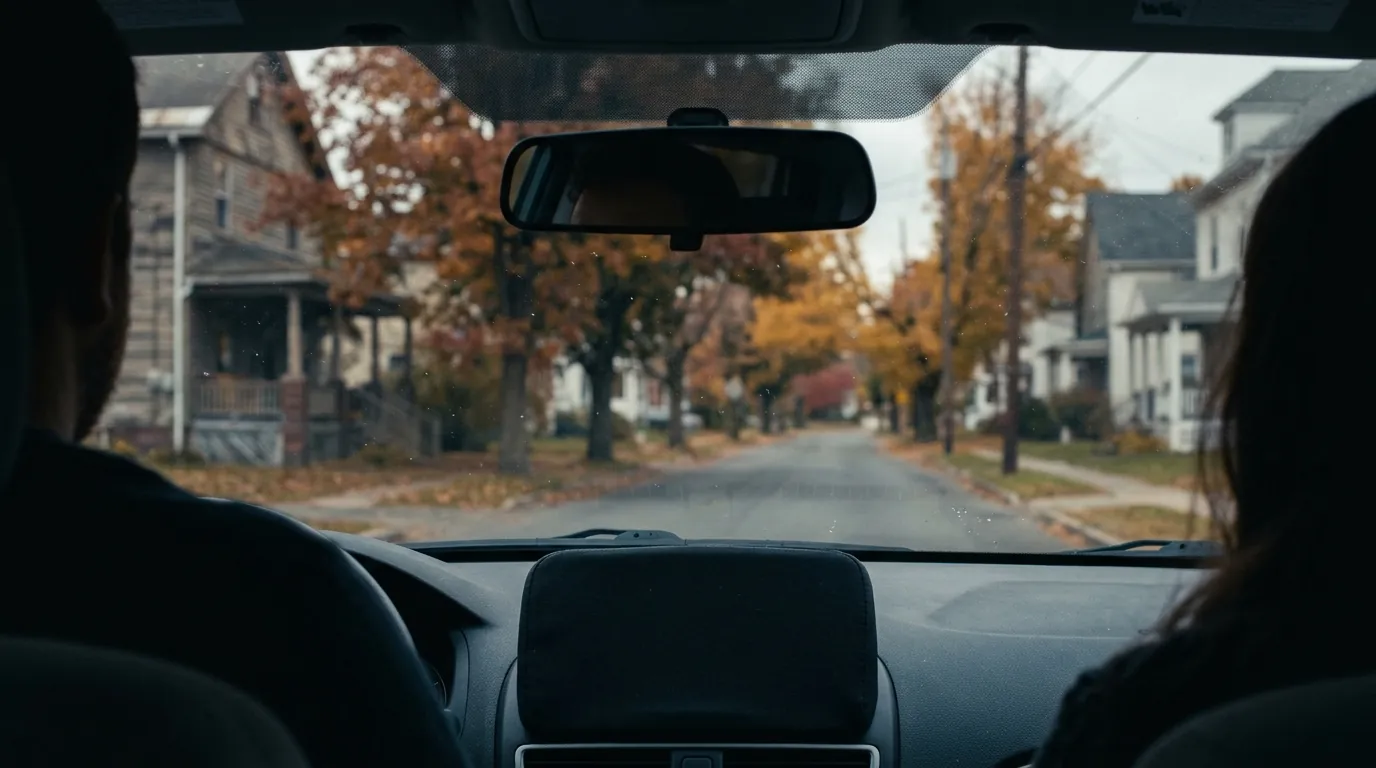
Buying Here Before You Live Here
You can buy a home near Scranton or Wilkes-Barre without living here yet. Most of it can be done from a distance: live video tours, inspections you join by video, and documents signed online. Pennsylvania has allowed remote online notarization since Act 97 of 2020, though your lender and title company decide how much of your closing can be remote. The one thing to never do remotely is trust emailed wiring instructions.
A lot of people looking at this area are coming from New Jersey, New York or farther. Here’s how buying from a distance actually goes.
Before the First Tour
Get to Know the Place First
Before you look at a single house, get a feel for the towns. Prices, taxes and school districts change from one borough to the next, sometimes within a few minutes’ drive. Start with the moving guide and the ten-town comparison. If you’re coming from New Jersey or New York, the from New Jersey and from New York pages compare costs and commutes.
I also host a show about this area, SWB Now. It covers the people, businesses and places from Carbondale to Nanticoke and Mountain Top. It’s a decent way to see the place before you visit.
The Paperwork That Comes First
Two documents come before any tour, in person or by video:
- The Pennsylvania Consumer Notice. State law requires every real estate licensee to give it to you at the first real conversation. It explains whether the agent works for you, for the seller or for both. It isn’t a contract. Read the Consumer Notice (PDF)
- A written buyer agreement. Under the National Association of Realtors’ rules, you’ll sign one before touring a home with an agent, and that includes virtual tours. It says what I’ll do for you and how I’m paid. NAR’s consumer guide
Both can be signed electronically.
Get Preapproved Early
From a distance, a strong preapproval matters even more. Sellers can’t meet you, so the letter does the talking. If you want Pennsylvania’s PHFA programs, pick a PHFA participating lender from the start. See PA first-time buyer programs.
Touring Homes by Video
Listing photos are taken to sell the house. A live video tour is where you find out what the photos left out. When I walk a house for you on video, I’ll do it the way you would if you were standing there.
What I show you on a live tour:
- The street first. Both directions, the neighbors’ houses, where people park, and what’s across the street.
- Every room, slowly, including closets and the corners the photos skipped.
- The basement, always. Foundation walls, any water marks, the heating system, the electrical panel, the water heater, and any sign of an old oil tank.
- Windows and doors. I’ll open a few so you can see how they work.
- The yard and the back of the house, where the gutters, the roof edge and the drainage are.
- Noise and light. I’ll stand still and let you listen for traffic or a rail line, and tell you which way the windows face.
Things video can’t tell you, so I’ll tell you: smell (damp basements, smoke, pets), how the floors feel, and how the house sounds. Ask me anything you’d ask if you were standing there. Record the call if it helps you compare houses later.
Inspections From a Distance
You don’t need to be there for the inspection. You do need to see it. Ask your inspector if you can join by video for the walk-through at the end, and ask for photos with the written report.
Houses in this valley are old. Census figures show about half of Scranton’s homes were built in 1939 or earlier, so plan on a general inspection plus a few specialists. The older home inspections page covers what to check here, including radon, which PA DEP says is above the EPA action level in about 40% of Pennsylvania homes tested.
Check the address for old mine workings too, on the state’s free map. That one you can do from anywhere. See mine subsidence insurance.
Closing Without Flying In
What Pennsylvania Law Allows
Pennsylvania permits both electronic notarization and remote online notarization. According to the Pennsylvania Department of State, remote notarization started temporarily in March 2020 and became a permanent part of state law with Act 97 of 2020, effective October 29, 2020. With remote online notarization, a commissioned Pennsylvania notary meets you over audio and video instead of in person. The notary has to notify the Department of State and use a technology provider the Department has approved.
PA Department of State: Electronic or Remote Notarization
What Actually Happens
The law allows it. Your lender and title company decide whether they’ll do it on your loan. In practice, out-of-state buyers close one of three ways:
- Fully remote, if the lender and title company both offer remote online notarization for your transaction.
- Mail-away, where the title company sends the documents to a notary near you and you sign there.
- In person, often combined with a final walk-through and moving day.
Ask both your lender and your title company which ones they offer before you sign the agreement of sale, so your closing date is realistic. Some buyers use a power of attorney so someone here can sign for them. Lenders and title companies have their own rules about that, so ask them first, and talk to a Pennsylvania attorney if you’re considering it.
The Final Walk-Through
If you can’t be there, I’ll do it on video with you: every faucet, every appliance that stays, the basement, and anything the seller agreed to fix.
Wire Fraud: The One Thing You Can’t Do Remotely
This is the most important section on this page.
Criminals watch for home purchases, get into email accounts, and send buyers fake wiring instructions that look exactly like the real ones from the title company. Once the money is wired, it’s very hard to get back.
The FBI’s Internet Crime Complaint Center logged 12,368 real estate fraud complaints in 2025, with $275,110,419 in reported losses, according to its 2025 annual report. The email takeover scams described here are also tracked separately, under business email compromise.
How to protect yourself:
- Never wire money based on an email or a text, even one that seems to come from me, your lender or the title company.
- Call the title company before you wire, at a phone number you find yourself (from their website or your original paperwork), not one in the email. Confirm the account number out loud.
- Treat any change as a red flag. Real wiring instructions rarely change at the last minute. If you get an email saying they have, stop and call.
- Send a small confirmation amount first if your title company allows it, then confirm receipt by phone before sending the rest.
- If it happens, move fast. Call your bank right away and ask them to recall the wire, then file a report at ic3.gov.
Wiring instructions should come from the title company, not from me. If you ever get some that look like they’re from me, call me at (570) 905-4300 before you do anything.
A Few Things to Budget From Away
- A trip. You’ll probably still want to see the town in person once, even if you buy from video. I’d rather you come once before you write an offer than not at all.
- Closing costs. Pennsylvania’s transfer tax depends on the town, and buyers usually pay half. In Scranton, your half is 1.85% of the price. See buyer closing costs.
- Property taxes. County, municipal and school taxes differ by town. Ask for the seller’s tax bills before you offer.
- Winter. If you’re moving in December, plan the moving truck around the weather. I forecast it on TV here for about twenty years, so ask me.
Frequently Asked Questions
Can I buy a house in Pennsylvania without being there?
Yes. Tours can be live video, inspections can be joined by video, and Pennsylvania allows remote online notarization under Act 97 of 2020. Whether your closing can be fully remote depends on your lender and title company. Many out-of-state buyers sign through a mobile notary near them instead.
Is remote online notarization legal in Pennsylvania?
Yes. According to the Pennsylvania Department of State, Act 97 of 2020 made remote online notarization permanent, effective October 29, 2020. The notary must notify the Department and use an approved technology provider. Lenders and title companies decide whether they accept it for a particular closing.
How do I avoid wire fraud when buying a house?
Never wire money based on an email or text. Call your title company at a phone number you found yourself and confirm the account details before sending. Treat any change in instructions as a warning sign. If you think you’ve been scammed, call your bank immediately and report it at ic3.gov.
Do I have to sign a buyer agreement for a virtual tour?
Under NAR’s rules, yes. You’ll sign a written buyer agreement before touring a home with an agent, either in person or virtually. Pennsylvania licensees also give you a Consumer Notice at the initial interview. Both can be signed electronically.
How do I check a house for mine subsidence from out of state?
Use the Pennsylvania DEP’s free MSI Risk map online. Enter the address and it shows the mining status underneath and whether DEP recommends mine subsidence insurance. If it does, apply once you have a signed agreement, so coverage starts at closing.

Buying From a Distance?
Tell me where you’re coming from and what you need from a town. Commute, schools, a yard, a price. I’ll send you a short list of towns worth a look and what homes there have actually sold for. Then we’ll tour by video, and when you’re ready, I’ll help you plan the one trip that counts.
Call or text me at (570) 905-4300, or send me a note.